Breaking New Ground on Housing
Matt Mahan’s Bold Plan to Break Down the Barriers to Building the New Housing Californians Can Afford
Matt Mahan is a new kind of Democrat running for Governor to get California Back to Basics—and there’s nothing more basic than making housing in California truly affordable.
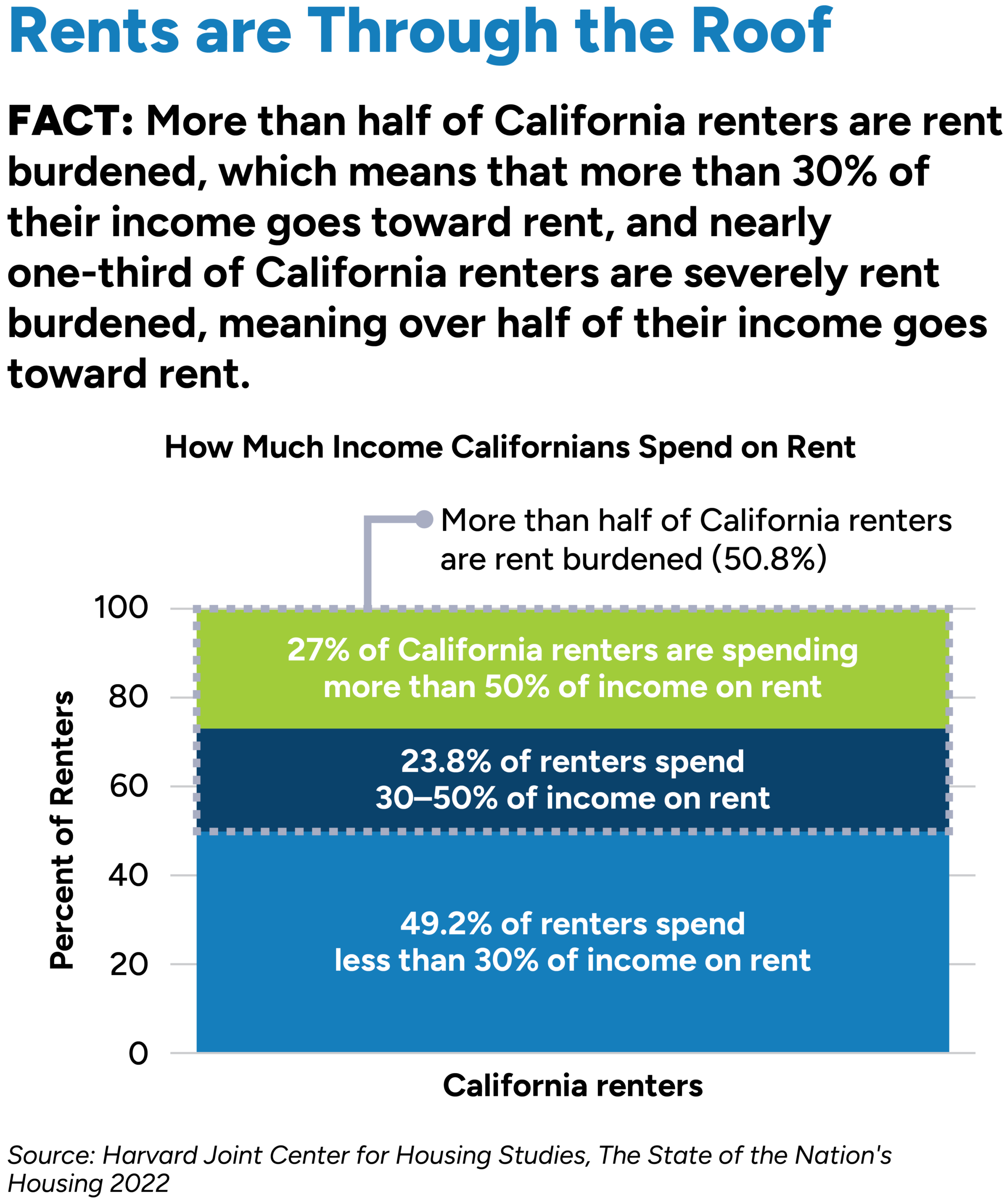
CALIFORNIA COSTS TOO MUCH. And at the very root of the problem is the high cost of housing. To fix California, we need to start here. If we get the most basic need for affordable housing right, we will be getting California back on the right track.
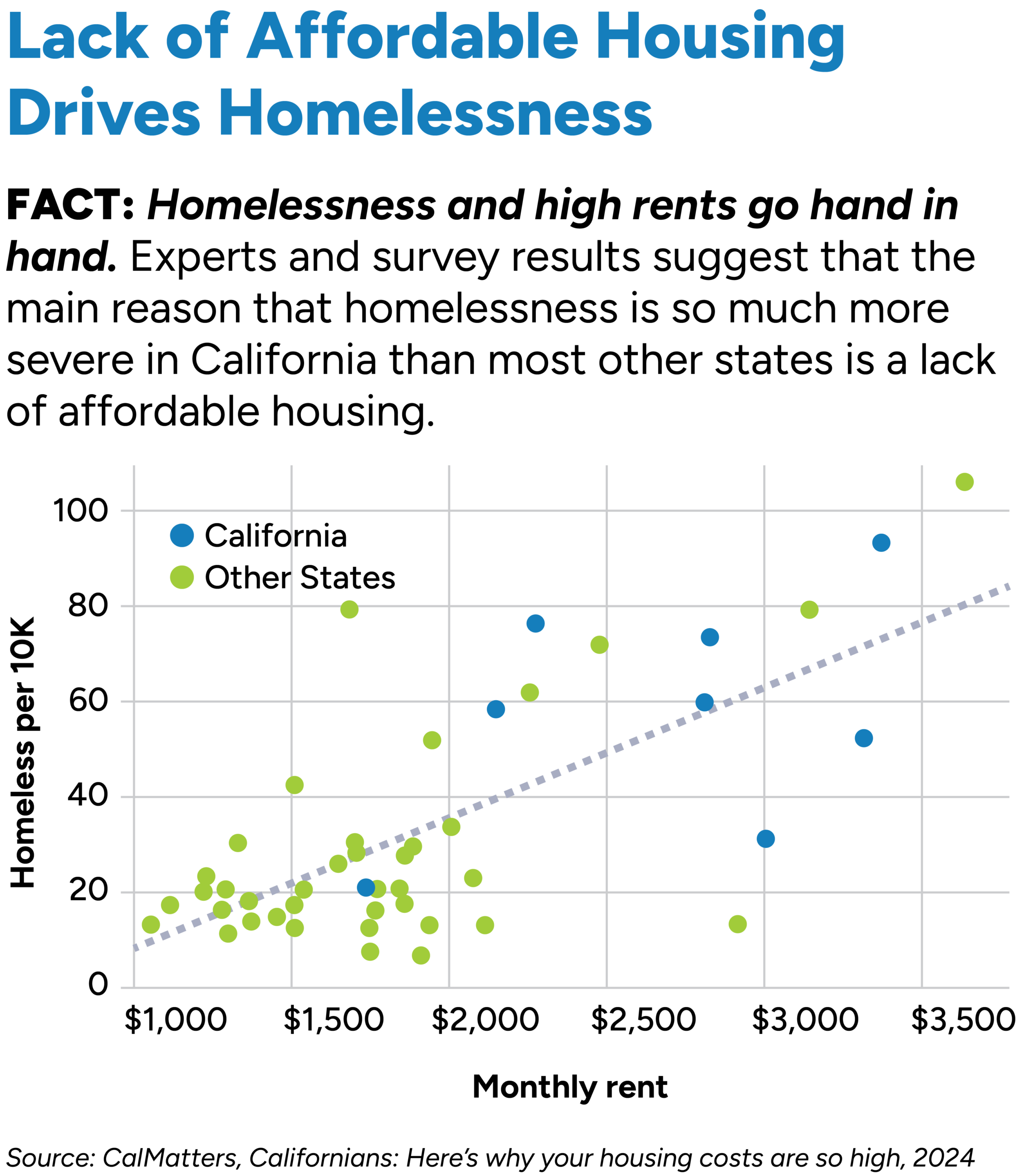
High rents and expensive homes are driving families and high-wage jobs out of California. Expensive housing is the main driver of homelessness, and too many Californians are just one financial emergency away from not being able to pay the rent and ending up on the street.
Our housing crisis also makes it more difficult to hire teachers, child care workers and police officers. It’s why so many of them show up to work exhausted after long commutes from the nearest home they can afford, and why so many are thinking of leaving the state entirely.
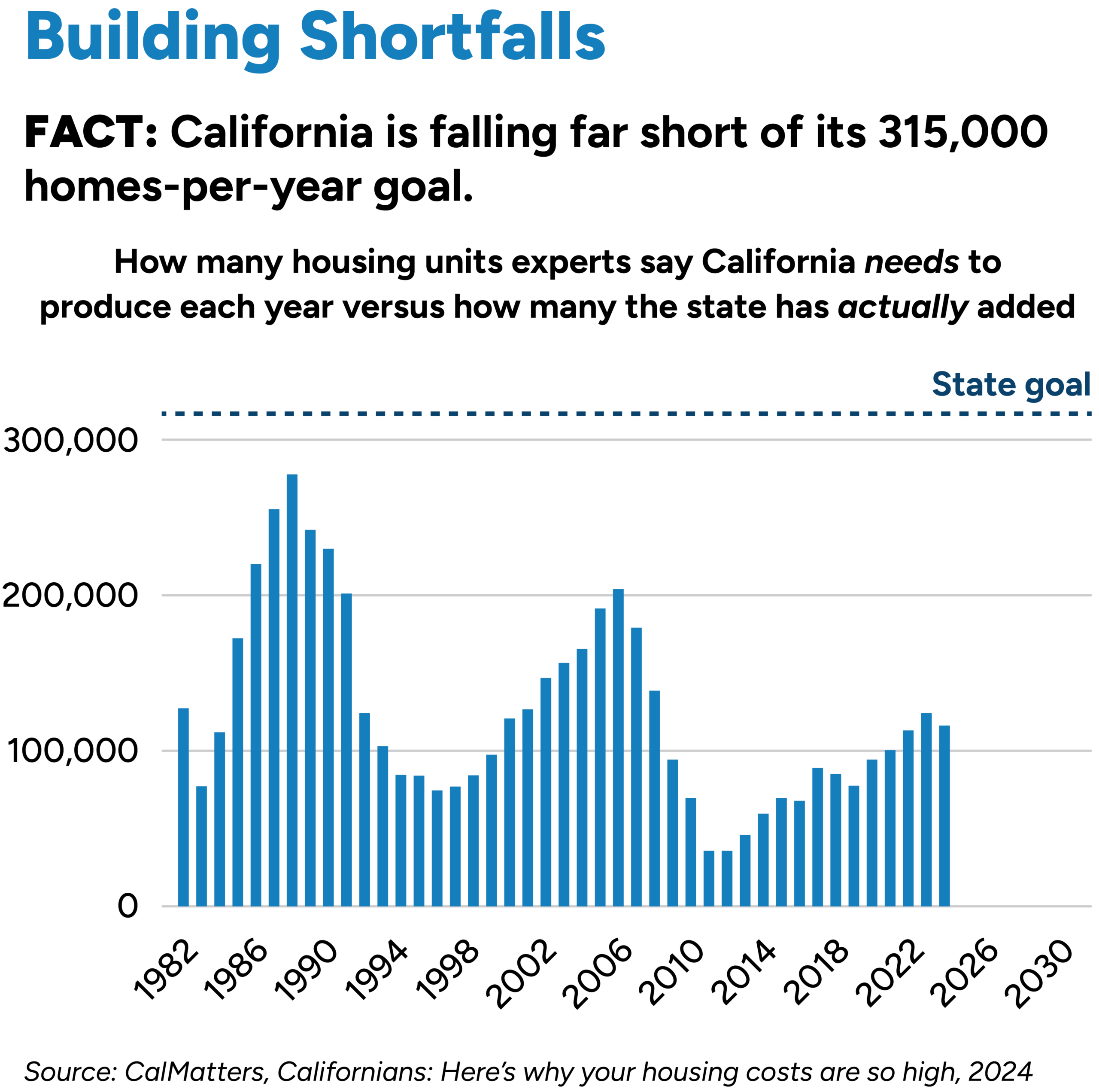
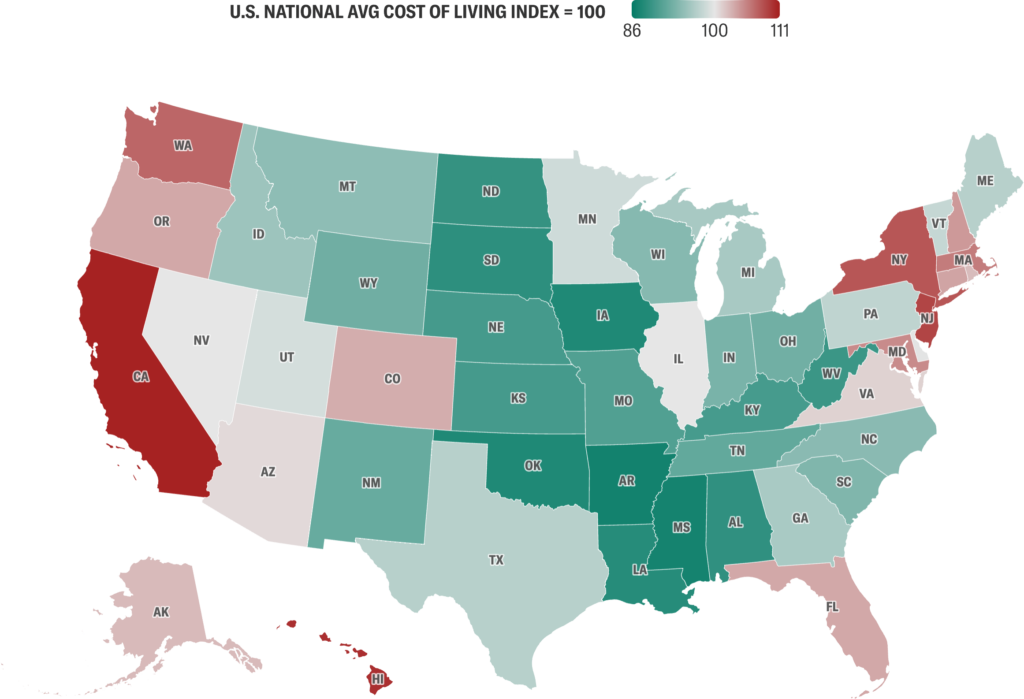
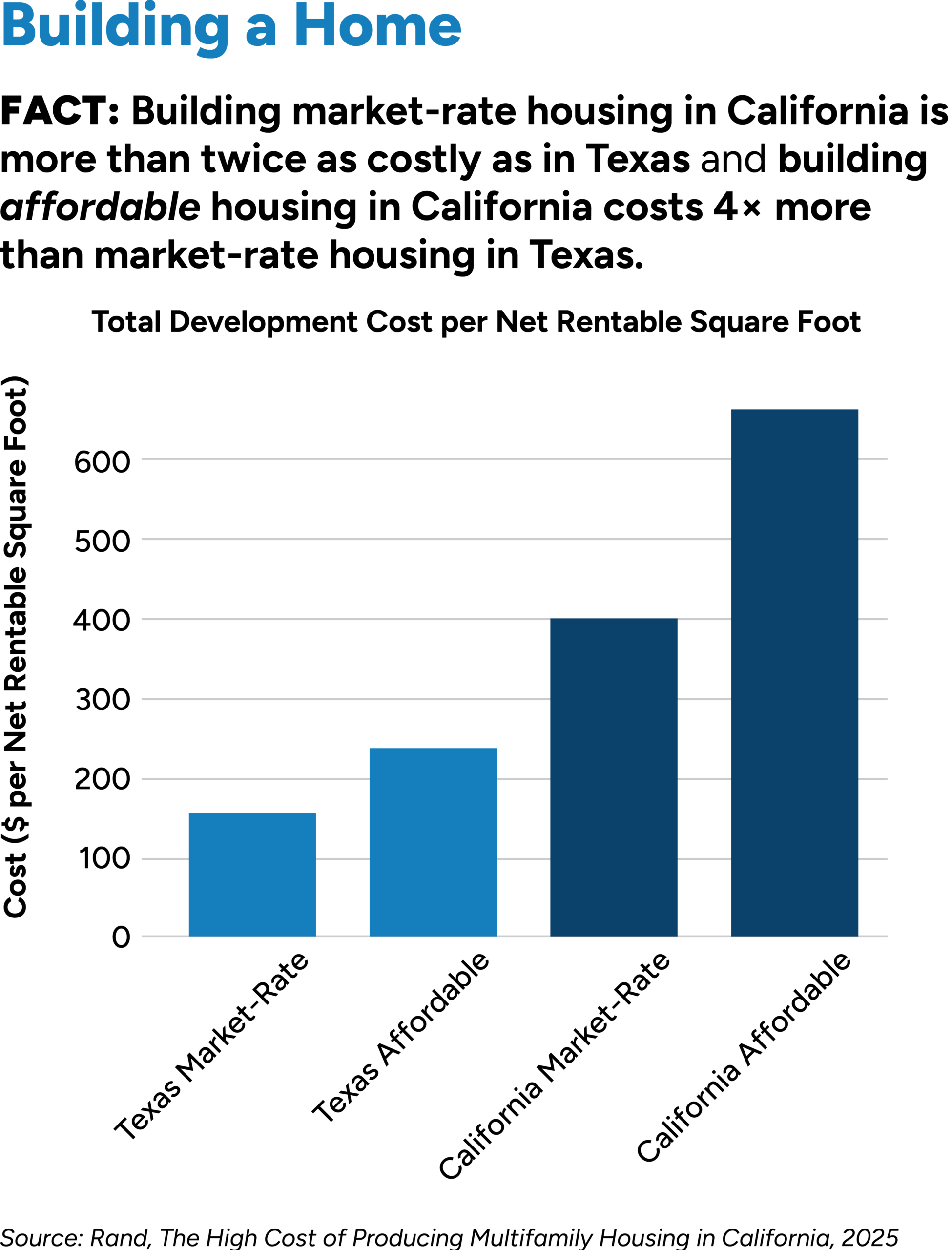
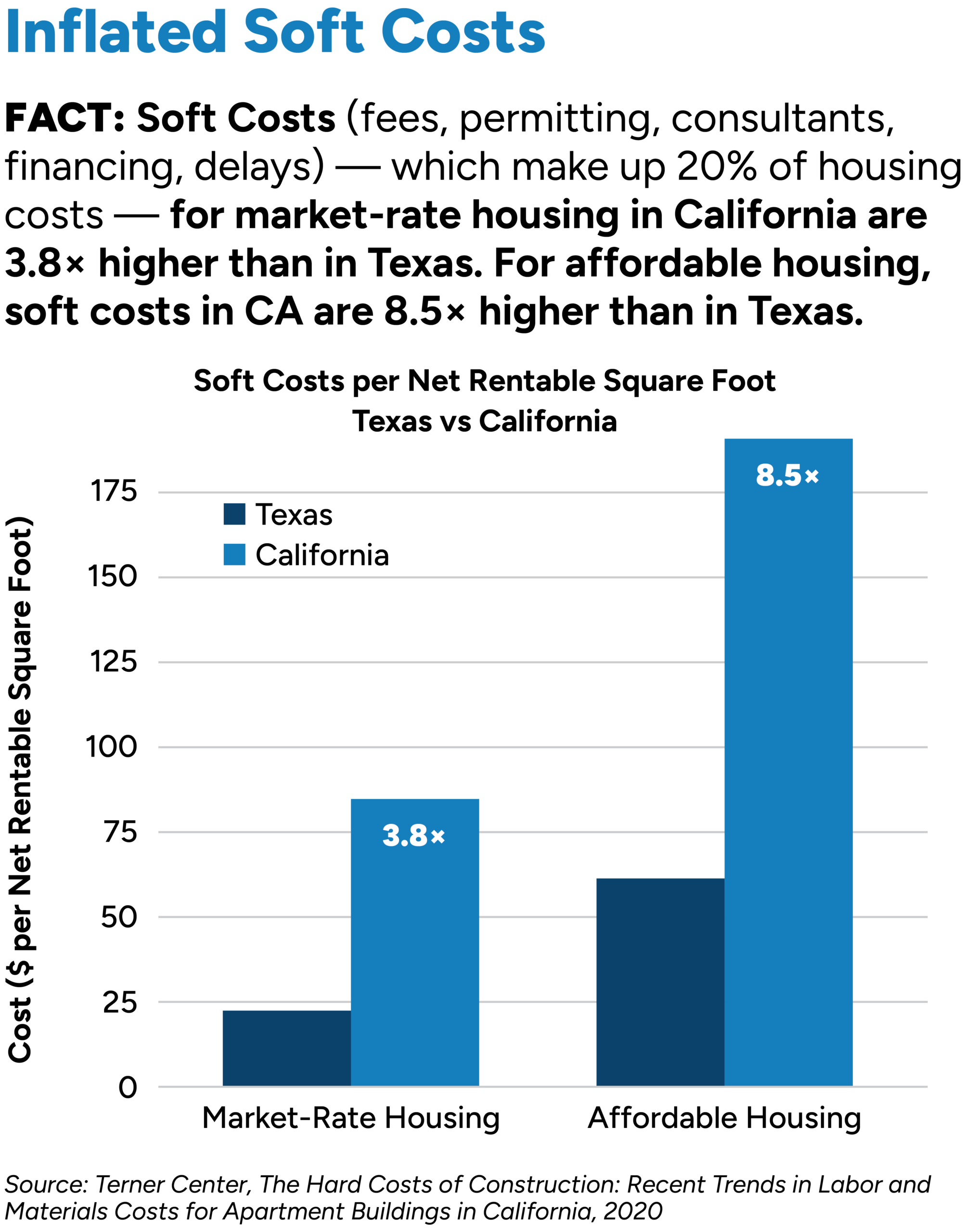
For too long, well-meaning state and local governments have made it too hard and too expensive to build housing Californians can afford. The state estimates we need to build 315,000 homes per year — but we’re building barely one-third of that. It now costs nearly twice as much to build housing in California as it does in Colorado, and up to three times more than it does in Texas.
As Mayor of San Jose, the third largest city in California, I learned first-hand what it took to get new housing built. I took on the special interests and slashed taxes and fees on new housing, and now thousands of new homes are under construction.
Under my leadership, the city cut permitting times dramatically and created a pathway for infill projects that complied with zoning to get permits without fear of bogus environmental lawsuits — all to get new affordable homes built faster. The city is now using new technology in our building department to process the approval of low-cost backyard cottages faster, and we are on track to make major reforms to our building codes that would make it easier to build starter homes.
My mission is to make California an affordable place to live, work, and raise a family. As Governor, I will attack the taxes, red tape and junk lawsuits that drive up housing costs. I will hold local governments accountable for following state laws, and not standing in the way of new homes getting built.
I will get better value for your tax dollars, by delivering more affordable homes for each dollar spent and by supporting first time home buyers in a way that allows the state to recoup its money when the house is sold.
And I will help homeowners make their homes safe from wildfires, and drive down the cost of home insurance across the state. Our housing crisis is immense, but the solutions to it are clear if we just have the political courage to take them on.
Support Matt Mahan’s Plan To Build the Housing Californians Can Afford
This is my plan to get back to basics on housing, and build a more affordable California:
1. Untax New Housing
California is taxing new housing out of existence, with local taxes and “fees” that can cost up to $150,000 per unit and are, on average, the highest in the nation. Everything from public art requirements and park fees to unfunded inclusionary zoning mandates add to the cost of new homes, keeping hundreds of thousands of new homes from ever breaking ground. No one should be priced out of buying a home because of a public art requirement. As Mayor, I slashed fees on new housing, resulting in thousands of homes breaking ground.
As Governor, I will provide a two-year tax holiday to jumpstart construction, and set a cap on fees and taxes on new infill housing. This includes preventing local governments from imposing exorbitant sales or transfer taxes on new infill housing, like LA’s Measure ULA. The simplest way to make new housing more affordable is to cut the taxes and fees that make it so expensive.
2. Slash Bureaucracy so More Homes Break Ground
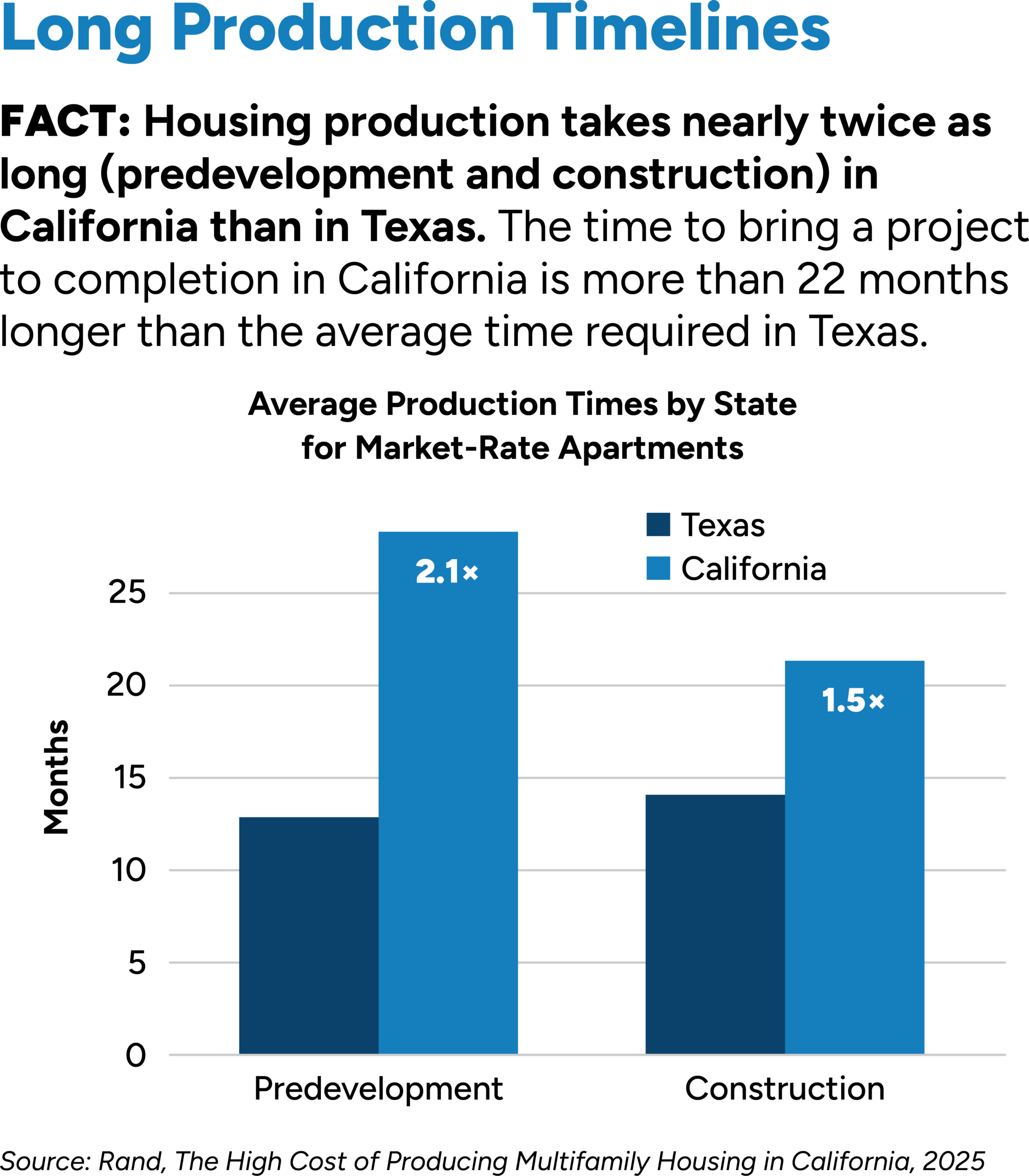
Regulatory delays can add tens of thousands of dollars to the cost of building a home. I believe no one should be waiting years for a new home because their government is slow at processing permits. Progress has already been made on this front, but we need to go much faster.
As Mayor, I imposed tight timelines for my city to
issue permits. As Governor, I would require every local government to transparently report the status of each permit on a public dashboard. I would require cities to process permits in less than 30 days, and improve each year. If local governments continually fail to meet permitting deadlines, home builders should be allowed to use properly qualified and licensed third-party planners and building inspectors to review permits instead.
At the same time, the state should support local governments in adopting modern technology, such as AI tools, that would help speed up permit processing times. I have done this in San Jose, with AI pre-review for ADUs. Honolulu, Seattle and a host of other cities have also implemented AI pre-reviews successfully. There’s no reason Californians should wait longer for new homes they can afford than residents of any other state in the country.
3. Homes at the Speed of Industry

After World War II, the availability of cheap, mass-produced consumer goods like washing machines and TVs created the foundation of the American middle class. Now, we need a mass mobilization to industrialize housing production to be able to build new homes at a price point that middle class families can afford.
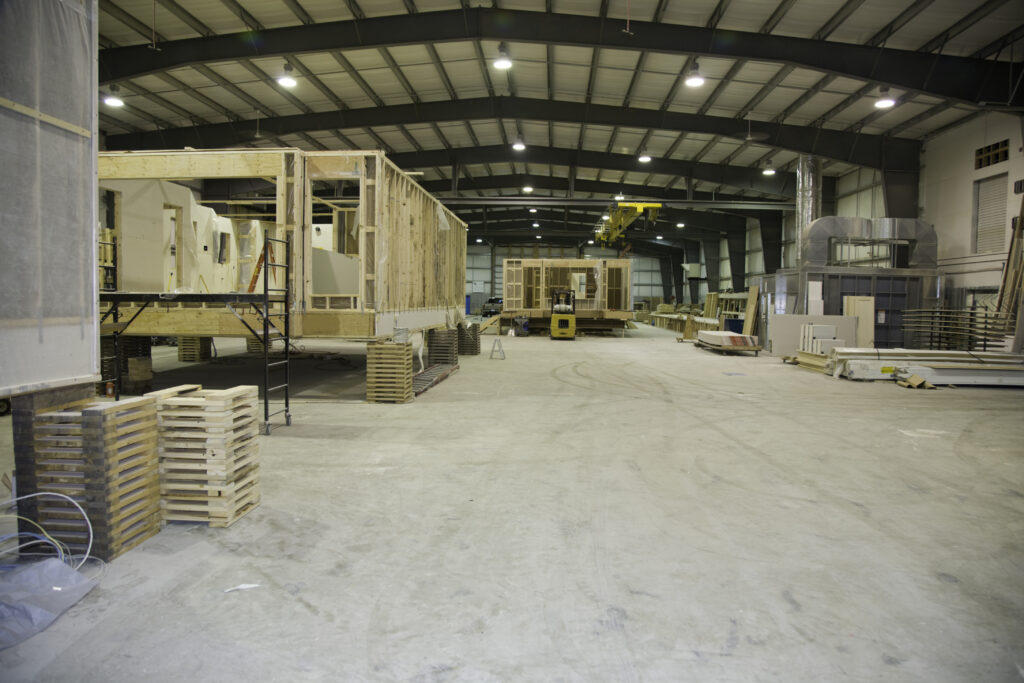
That’s what Sweden has done, with over 50% of its new homes being largely built in factories. New homes built fully or partially in factories can be delivered more than 30% faster and 20% cheaper than conventional production methods — and that is at current production rates. If we dramatically increase economies of scale we can dramatically cut construction costs even more. While they are much less expensive to build, modern factory-built homes are equal to or superior in safety and aesthetics to traditional methods.
After World War II, the availability of cheap, mass-produced consumer goods like washing machines and TVs created the foundation of the American middle class. Now, we need a mass mobilization to industrialize housing production to be able to build new homes at a price point that middle class families can afford.
That’s what Sweden has done, with over 50% of its new homes being largely built in factories. New homes built fully or partially in factories can be delivered more than 30% faster and 20% cheaper than conventional production methods — and that is at current production rates. If we dramatically increase economies of scale we can dramatically cut construction costs even more. While they are much less expensive to build, modern factory-built homes are equal to or superior in safety and aesthetics to traditional methods.
"No one should be waiting years for a new home because their government is slow at processing permits."
As Governor, I would make building California homes in California factories a centerpiece of the state’s industrial strategy. I will fast-track permits and approvals for housing factories.
I will provide financial incentives for the construction of new factories. I would create statewide standards for the manufacture, permitting and inspection of industrialized housing, to avoid a patchwork of inconsistent local regulations.
And I would strongly incentivize the use of factory-built housing for state-funded projects like student dormitories and supportive housing, to get better value for your taxpayer dollars and grow the market for industrialized housing.
4. Safer and More Affordable Building Codes
Building codes are what ensure that our homes and buildings are safe. But as more and more codes are added each year, the costs of meeting these requirements, many decades old, have skyrocketed.
For example, new apartment buildings in California are required to have twice as many staircases, and elevators that are much larger than those in apartment buildings around the world. Our building codes need a hard reset, so that we can build homes that are safer and more affordable.
As Governor, I would update and rationalize these building codes and bring them into the 21st century. I will make sure building codes are set based on the evidence, draw on best practices from around the world, and make sure that every new rule takes into account housing affordability.
5. Fewer Lawsuits, More Homes

Over the past ten years, most new multi-family buildings in California are rental properties. That’s in part because of a state law passed in 2002 that opened the door for junk lawsuits against builders of condominiums, which have been traditional “starter homes” for people seeking to gain financial independence and stability through home ownership.
As Governor, I will take on the special interests and reform these laws, starting with a right to repair that would more effectively hold builders accountable for shoddy work while also preventing frivolous lawsuits. This simple fix would spur the building of more starter homes, and help more Californians access homeownership. Colorado has already implemented many of these fixes, and we need to do the same here in California.
As Governor, I will also continue to build on the work that I have done in San Jose and that was taken up by the state last year to stop junk environmental lawsuits blocking new infill housing. New homes near transit and in walkable existing communities are a huge benefit to the environment, and should not be treated as pollution.
Support Matt Mahan’s Plan To Build the Housing Californians Can Afford
6. Hold State and Local Governments Accountable
The state has taken strides in both supporting those local governments working to build new housing and holding accountable local governments that ignore state laws or stand in the way of new housing. As Governor, I will continue this work, and take an all-of-government approach to housing affordability.
I will expand existing regional planning requirements to require the construction of new safe, dignified shelter to bring the homeless indoors as part of our mission to end street homelessness in California. I will require all state universities to plan for the construction of the student housing needed to house their students, and give them the tools to make good on those plans.
I will support local governments cutting their fees, modernizing their permitting practices, and building housing factories. As Mayor, I am enthusiastically implementing the recent state law that allows more homes to be built around transit.
I will also require local governments to transparently report to the public about the actions they are taking to build more housing and comply with state laws, and I wouldn’t hesitate to bring the full force of the law against those who are skirting their responsibilities. I will ensure that the Department of Housing and Community Development is doing its job to enforce existing Housing Element law to get California cities on track to meet their housing goals. I will make appointments to state boards and commissions that support my housing agenda. I will hold those state agencies accountable for facilitating new housing construction.
7. Create the High-wage Workforce that Helps Build Lower-cost Housing

Labor shortages in home building contribute to longer construction times and substantially higher costs. Trump’s immigration policies and the related fear and violence have just made the situation worse.
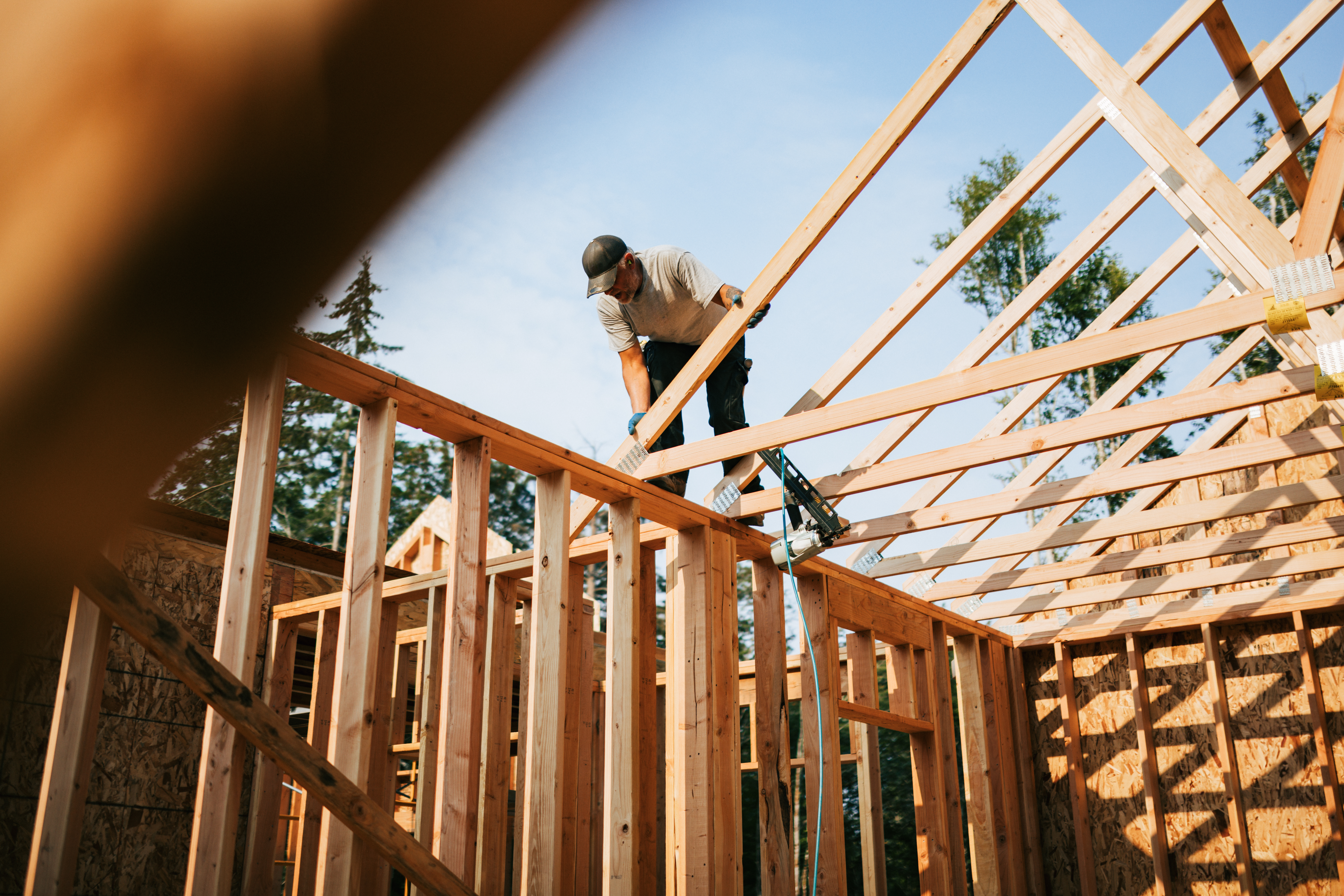
To address this workforce gap and accelerate housing production, California should implement a comprehensive workforce strategy that starts with bringing back career technical education (shop classes), including carpentry, welding, electrical, and plumbing, across California’s high schools and continues with incentivizing partnerships between community colleges, labor unions, and construction firms to scale registered apprenticeship programs.
By investing in workforce education and training, California can grow the skilled labor pool, reduce construction delays and costs, and ultimately help make housing more affordable while creating new high‑wage jobs.
8. Support Local Governments Building New Housing
Local governments struggle to raise the revenue to invest in affordable housing.
As Governor, I would allow local governments to keep a portion of the increase in new tax revenues from future housing and dedicate these funds to building and acquiring new affordable housing. To make best use of taxpayer funds, I would ensure that the new housing built with this program would meet strict cost targets and be close to transit. I would also allow this funding to be used to support office-to-housing conversions, putting empty office buildings to a better use and helping our major urban centers become safer and more vibrant.
9. Affordable Insurance for All
There is an insurance availability and affordability crisis for homeowners in California. In some parts of the state, home insurance policies are spiking to over $800 per month. In other parts of the state, good home insurance is simply unavailable and homeowners are forced onto the expensive and limited FAIR Plan offered by the state. Spiraling home insurance is also threatening the survival of affordable housing providers, and making it more difficult to build new homes.
This is primarily driven by how many homes are being destroyed by wildfires. Fewer houses will burn down if we make our homes and our communities more resilient to wildfires. The State should create an office focused on developing a statewide plan to reduce the number of homes lost to wildfires in California. No such office or plan exists at this time. Part of this plan should include significantly scaling up home retrofit programs and large-scale vegetation management, and focusing this funding on the most cost-effective interventions for reducing the number of homes lost to wildfires.
In exchange for these investments in home and community hardening, I would hold insurance companies accountable for offering insurance to more Californians at prices they can afford. If you’re making your home safe from wildfire, I will make sure you have good insurance.
10. Build Affordable Rental Housing Affordably
Today, to get a subsidized affordable rental housing project built, a developer needs to apply to over ten state and local agencies for financial support, all with different rules and timelines. This delays affordable housing projects, drives up costs, diffuses accountability, leads to fewer affordable housing projects getting built — all while Californians are desperate for more affordable housing.
The state is planning to create a one-stop-shop for state grant programs for subsidized affordable housing, which is much needed. As Governor, I will deliver on this plan and expand the one-stop-shop to include all county and city affordable housing programs as well. This, in itself, would drive down costs and make better use of precious taxpayer funds.
It would also make it easier to hold subsidized affordable housing developers accountable for delivering projects quickly and cheaply. I will require affordable housing projects to meet aggressive cost targets, and withhold state funding from projects that do not. With so many Californians struggling to pay the rent, government needs to cut the waste and provide more subsidized affordable housing for less.
Support Matt Mahan’s Plan To Build the Housing Californians Can Afford
11. Acquire Affordable Rental Housing Affordably
California needs hundreds of thousands of new subsidized affordable rental homes a year that it isn’t producing. The state’s solution to this has too often relied only on building new subsidized homes. Yet it is often much cheaper to buy an existing apartment building than build a new one. For example, it is possible to buy a 3–5 year-old apartment complex in Oakland for $300,000 per unit, while the cost of developing such a complex would be over $800,000 per unit.
As Governor, I would allow state affordable housing funds to be used to support the purchase of existing mixed-income apartment buildings, and in exchange ensure that the units in that building remain affordable to low and middle income Californians. The funds that support building acquisition should be paid back to the state, like a loan, so they can be recycled into acquiring new mixed-income apartment buildings.
This would allow taxpayer funds to deliver more subsidized affordable units faster than the way government is doing it now.
12. Small and Affordable

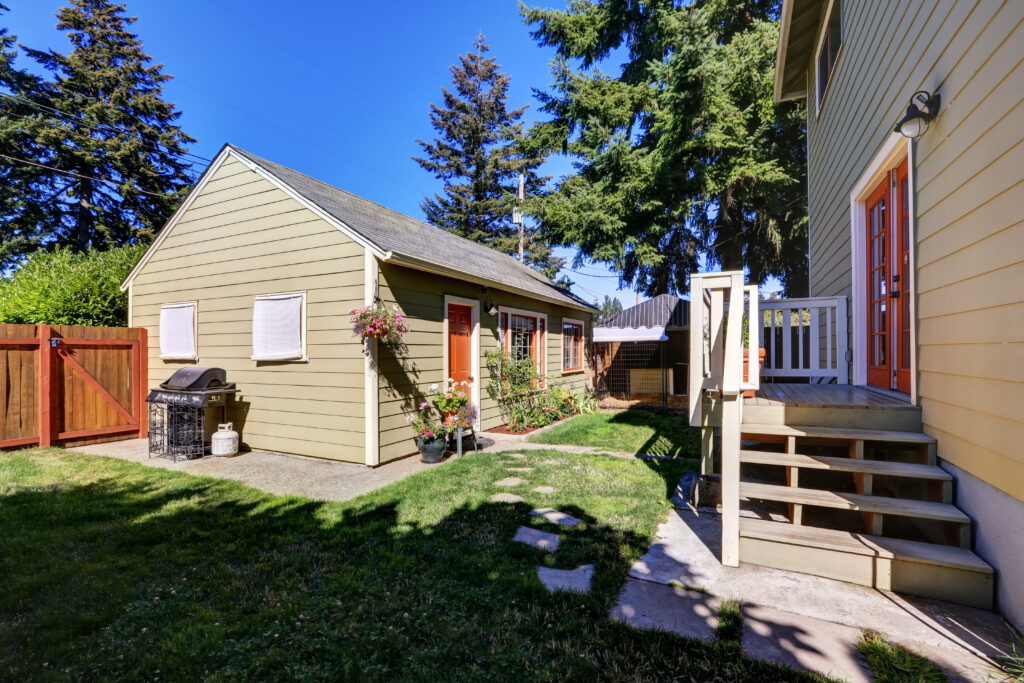
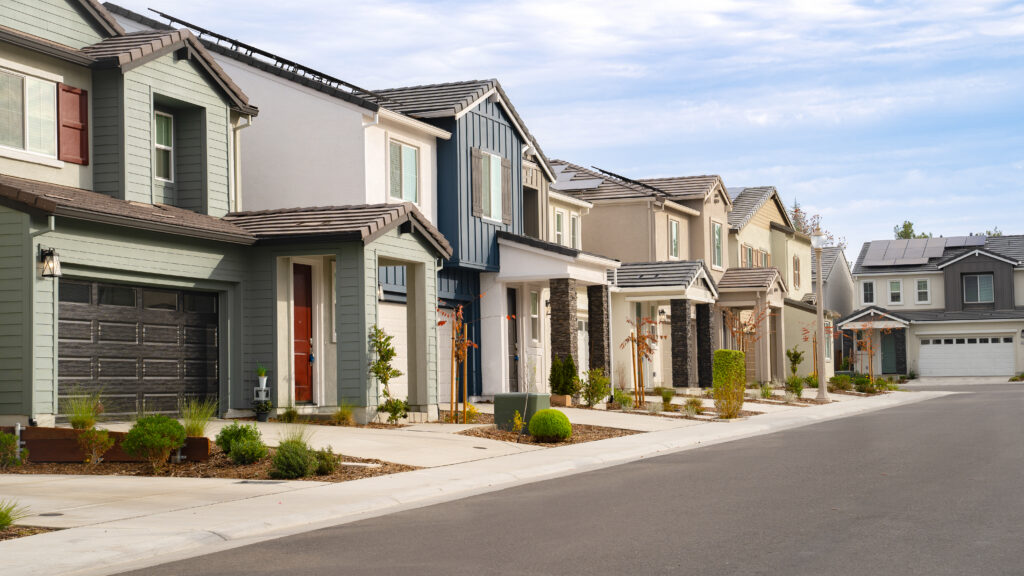
Backyard cottages, or ADUs as they’re sometimes referred to, have been the fastest growing type of new housing in California. They’re a perfect spot for an aging parent, a child who’s getting started in the workforce, or a renter so homeowners can get some extra money to help with the mortgage. And because backyard cottages are small, they’re naturally affordable and can serve as “starter homes” for young families stepping onto the housing ladder.
We need to supercharge the building of backyard cottages, by continuing to make them cheaper and easier to build, including creating pre-approved ADU designs at the statewide level to encourage industrialized production. Building an ADU can be too expensive for many homeowners who are already struggling to pay the mortgage, and the state should provide a two-year tax holiday to support ADU construction and partner with the private sector to provide more accessible financing options.
Backyard cottages, or ADUs as they’re sometimes referred to, have been the fastest growing type of new housing in California. They’re a perfect spot for an aging parent, a child who’s getting started in the workforce, or a renter so homeowners can get some extra money to help with the mortgage. And because backyard cottages are small, they’re naturally affordable and can serve as “starter homes” for young families stepping onto the housing ladder.
We need to supercharge the building of backyard cottages, by continuing to make them cheaper and easier to build, including creating pre-approved ADU designs at the statewide level to encourage industrialized production. Building an ADU can be too expensive for many homeowners who are already struggling to pay the mortgage, and the state should provide a two-year tax holiday to support ADU construction and partner with the private sector to provide more accessible financing options.
13. Open the Door to Homeownership

The first rung on the housing ladder is often the most difficult to climb. That is why so many young families are struggling so hard to make it in California, and far too many are leaving for other states. The state should dramatically increase support for families looking to purchase their first home, using an innovative strategy that will bring revenue back to state government.
As Governor, I will create a statewide shared-equity program, modeled off of the existing Dream for All, that provides down payment assistance in exchange for a proportional share of future home price appreciation.
This program currently only supports a few thousand California families, and is over 10x oversubscribed. Our program would be bigger, have fewer restrictions, and be accessible to more middle class families. Importantly, this down payment assistance does not come with any monthly payments.
This program would expand access to homeownership while returning capital to the state when homes are sold or refinanced to support new homeowners taking their first step on the housing ladder.
The first rung on the housing ladder is often the most difficult to climb. That is why so many young families are struggling so hard to make it in California, and far too many are leaving for other states. The state should dramatically increase support for families looking to purchase their first home, using an innovative strategy that will bring revenue back to state government.
As Governor, I will create a statewide shared-equity program, modeled off of the existing Dream for All, that provides down payment assistance in exchange for a proportional share of future home price appreciation.
This program currently only supports a few thousand California families, and is over 10x oversubscribed. Our program would be bigger, have fewer restrictions, and be accessible to more middle class families. Importantly, this down payment assistance does not come with any monthly payments.
This program would expand access to homeownership while returning capital to the state when homes are sold or refinanced to support new homeowners taking their first step on the housing ladder.
14. Fighting for Californians
About one million Californians live in homes supported through the federal government’s Section 8 program, and it is the rental assistance program that helps the most California families. Section 8 is also a critical tool that we have to keep Californians who are at risk of homelessness in their homes. Yet President Trump is illegally trying to destabilize and decimate this program.
We must fight back and win. I will work with the Attorney General and other governors to fight to protect and expand Section 8 and other federal government affordable housing programs, and use all the tools available to protect Californians who rely on federal housing support from Trump’s attacks.
15. Use Existing Homes Smarter

One study shows there are more than 2 million empty bedrooms in owner-occupied homes in California. Unlocking just a fraction of these homes would be one of the most cost-effective ways we could provide affordable housing to Californians — and enrich the lives and bank accounts of the people who wanted to share their homes safely and securely with a teacher, senior, or student. These empty bedrooms, particularly in the homes of empty nesters and seniors, can provide affordable housing and keep seniors in their homes. Successful programs exist, and they should be scaled.
Assemblyman Chris Ward of San Diego proposed the Home Sharing Act of 2025, that sought to expand nonprofit home-sharing by removing barriers for low-income and older homeowners, exempting certain home-sharing income from taxes, and protecting eligibility for public benefits. The bill was vetoed. I would sign it and work with community partners like churches and other houses of worship to help unlock empty bedrooms throughout the state.

One study shows there are more than 2 million empty bedrooms in owner-occupied homes in California. Unlocking just a fraction of these homes would be one of the most cost-effective ways we could provide affordable housing to Californians — and enrich the lives and bank accounts of the people who wanted to share their homes safely and securely with a teacher, senior, or student. These empty bedrooms, particularly in the homes of empty nesters and seniors, can provide affordable housing and keep seniors in their homes. Successful programs exist, and they should be scaled.
Assemblyman Chris Ward of San Diego proposed the Home Sharing Act of 2025, that sought to expand nonprofit home-sharing by removing barriers for low-income and older homeowners, exempting certain home-sharing income from taxes, and protecting eligibility for public benefits. The bill was vetoed. I would sign it and work with community partners like churches and other houses of worship to help unlock empty bedrooms throughout the state.

California Broke Our Housing Market — But We Can Fix This
The high cost of housing is the greatest challenge facing our state today. It is solvable. By getting back to basics—slashing the taxes and red tape that stop homes from getting built that Californians can afford, cutting the waste and delivering more housing support with the same amount of taxpayer dollars, and holding every level of government to account—we can build a California that is affordable to the middle class.
Support Matt Mahan’s Plan To Build the Housing Californians Can Afford
Endnotes
6.
Development cost and impact fee studies, various publications.
7.
California Housing Partnership, California Affordable Housing Needs Report 2024 (2024).
11.
SiliconValley.com, “For 27% of California Tenants, Rent Is More Than Half Their Income,” 2025 (citing 2024 Census data).
California Legislative Analyst’s Office (LAO), California Housing Affordability Tracker (Fourth Quarter 2025) (2025).
14.
U.S. International Trade Commission (USITC), reports on tariff impacts on construction materials, accessed 2026.
Yes – I Support Matt Mahan’s
Plan to Build the Housing
Californians Can Afford
Yes – I Support the Plan to Build the Housing
Californians Can Afford